Oncological Orthopedics
Home > Clinical Applications > Oncological Orthopedics
Orthopedic Oncology
What is orthopaedic oncology?
Orthopaedic oncology is a branch of science that deals with treating tumours in our body related to our arms and legs, called extremities, and the spine region.
What types of tumours do orthopaedic oncology deal with?
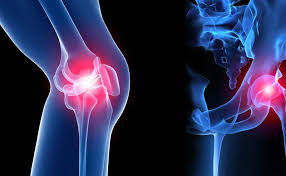
It deals with benign or malignant tumours consisting of resources such as bone, muscle, tendon, adipose tissue, and vascular and nerve tissues that involve the musculoskeletal system.
How is tumour treatment performed?
The general principle is based on the exact removal of tumour tissue from the body. However, the method of doing this varies depending on the type of tumour. In some classes, simple injection treatments may be sufficient. In contrast, in some styles, surgical removal of the tumour, called extensive resection, may be required so that the surrounding tissue remains intact. Sometimes, after surgical removal, there may be a need to reshape the lost tissues or remove the tumour limb altogether. In contrast, sometimes, only tumour removal may be sufficient. In addition to surgical treatment, chemotherapy and radiotherapy treatments can help.
What is the success rate of surgical treatment?
Although there are many different treatment options depending on the type of tumour present, it is possible to achieve a high degree of success when appropriate treatment methods are followed. However, despite proper treatment, there is a risk that some tumours will recur.
How is the tumour diagnosed?
Many tumours can be recognised with the help of a careful physical examination performed by the patient’s complaint, laboratory tests deemed necessary, biopsies and appropriate imaging methods.
What types of imaging methods are used during the diagnosis?
Imaging techniques used in patients with suspected tumours include x-ray, computed tomography, magnetic resonance imaging (MR), scintigraphy methods, Positron Emission Tomography (PET), and angiography.
How long is the operation time?
It varies according to the type of tumour and the surgical procedure. Some courses are shorter, and some functions may be long-term.
What are the risks of tumour surgeries?
As with all types of surgery, tumour surgeries also have unique risks such as recurrence of the tumour and spread to other organs, in addition to risks such as infection, fractures in the bones, vascular and nerve injuries, blood clots formed in the veins, and the clot breaking off and going to other organs.
What should be considered after the operation?
Patients undergoing tumour surgery should obtain detailed information from the surgeon who performed the surgery, depending on the type of surgery performed. Generally, patients who have experienced tumour surgery should not delay their follow-up examinations.
Don't Forget To Follow My YouTube Channel!
New Video Every Monday
Don’t miss our Syndrome-Free Monday Chats. We Talk About Diseases, Causes and Treatment Methods Every Monday!
I deal with the treatment of diseases related to the locomotor system, that is, the musculoskeletal system, which is designed to move, which is needed by human beings to maintain this function.
